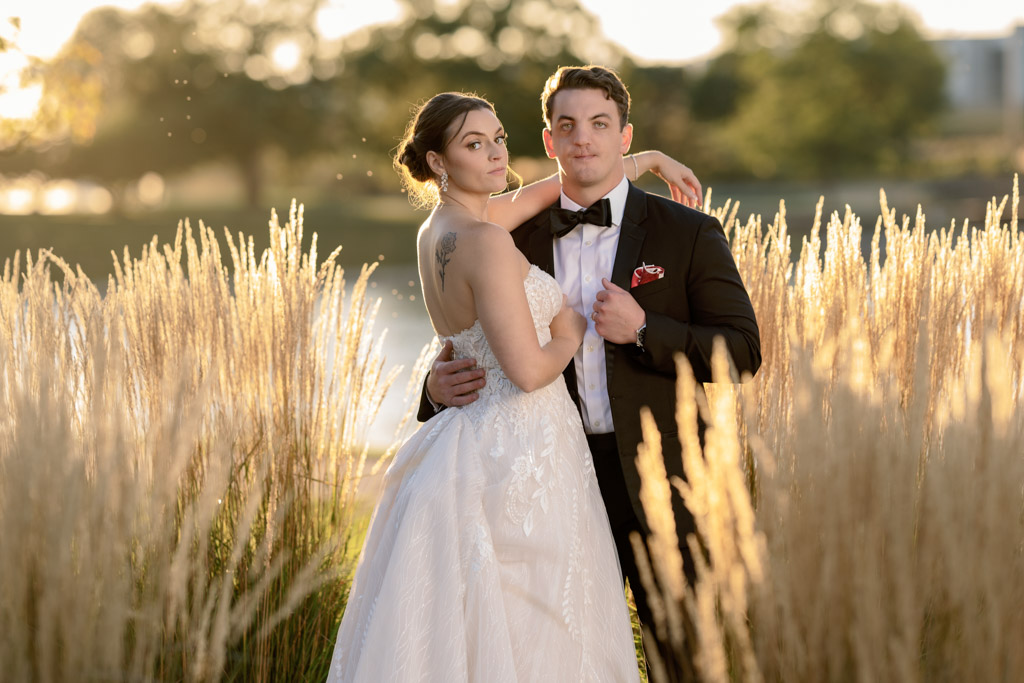
The question is rarely just how many hours for wedding videographer coverage you need. What couples are really asking is this: which parts of the day deserve to live on film forever?
That answer depends on the shape of your celebration, the pace of your timeline, and the kind of story you want told. A wedding film is not simply a record of events. It captures movement, sound, atmosphere, and the subtle emotional shifts that still photography cannot hold in quite the same way. The right number of hours creates space for that story to unfold beautifully, without rush or compromise.
How many hours for wedding videographer coverage is enough?
For most weddings, eight to ten hours is the sweet spot. It usually allows your videographer to document meaningful preparation moments, the ceremony, portraits, key reception events, and enough candid coverage to give the final film depth.
That said, there is no single number that fits every wedding. A city celebration with one venue and a concise timeline may need less. A destination wedding with multiple locations, a formal dress reveal, extended cocktail hour, and a lively late-night dance floor may need more. Luxury events also tend to benefit from additional coverage because the day often includes more layered experiences – handwritten vows, thoughtful design details, private exchanges, and guest moments that deserve more than a quick pass.
If you are deciding between packages, the real consideration is not just budget. It is whether you want coverage that feels efficient or coverage that feels complete.
What 6 hours of wedding videography usually covers
Six hours can work well for intimate weddings, elopements, or celebrations with a very streamlined timeline. If your ceremony and reception happen in one location, or if you are planning a shorter day without a grand exit, six hours may be enough to preserve the essentials.
Typically, this range covers part of getting ready, the ceremony, portraits, and the beginning of the reception. You may capture toasts and a first dance, but there is often little room for slow, atmospheric storytelling. The videographer may need to arrive after hair and makeup is underway and leave before the dance floor is fully alive.
For couples who care most about the vows, the visual beauty of the ceremony, and a concise highlight film, six hours can be a reasonable choice. The trade-off is that the day may feel edited at the edges. Some of the softer moments – your mother fastening the final button, the quiet breath before you walk down the aisle, the spontaneous energy later in the evening – can be lost when coverage is too tight.
What 8 hours of wedding videography usually covers
Eight hours is one of the most popular choices because it offers a strong balance. It generally gives enough time for a thoughtful film without requiring full-day coverage.
For many weddings, eight hours includes the finishing touches of getting ready, ceremony coverage, portraits, cocktail hour, and a meaningful portion of the reception. If your timeline is well organized, this can be enough to tell the emotional arc of the day in a polished way.
Still, eight hours works best when your logistics are clean. If you have separate preparation locations, significant travel time, or a reception with a late-night climax you care deeply about, the schedule can begin to feel compressed. The film will still be beautiful, but there may be harder choices about what receives attention.
This is often the minimum I would recommend for a traditional wedding where videography matters beyond the basics.
What 10 hours of wedding videography usually covers
Ten hours is often ideal for a full wedding day story. It gives your videographer time to document not only the milestone moments, but also the emotional texture between them.
With ten hours, there is usually room for more complete preparation coverage, both partners if desired, thoughtful detail footage, ceremony, portrait time, cocktail hour, reception formalities, and a fuller sense of the party as it unfolds. It also allows breathing room for delays, which are common even in beautifully planned celebrations.
That breathing room matters more than couples often expect. When a timeline is too tight, coverage becomes reactive. When there is space, your videographer can create with intention – capturing architecture, movement in the veil, candlelight in the reception room, or the way your guests respond when you enter for your first dance. Those details are often what make a film feel cinematic rather than simply chronological.
For refined weddings with layered design and a strong guest experience, ten hours tends to offer the most natural balance of coverage and artistry.
What 12 hours or more can give you
Twelve hours is best for expansive wedding days and destination events. If you are planning multiple venues, a traditional ceremony with cultural elements, a long reception, or a send-off you absolutely want on film, this amount of coverage can be the right choice.
It also makes sense when the day begins early and ends late. Think welcome moments with family, editorial portraits at a separate location, extended travel between sites, or a reception that transforms in mood after formalities end. Some of the most memorable footage comes late in the evening, when everyone is relaxed and fully present.
Longer coverage does not always mean more dramatic events. Sometimes it simply allows your film to feel less hurried and more complete. For couples investing in a luxury experience, that difference can be worthwhile.
How to decide how many hours for wedding videographer coverage you need
Start with your timeline, not a package list. Look at when you want your videographer to begin and identify the first moment that matters to you on film. For some couples, that is the final stage of getting ready. For others, it is a private vow exchange, a first look, or guests arriving at the ceremony.
Then consider the ending. Do you want only the formal reception moments documented, or do you want the energy of the dance floor and the romance of a late-night exit? Your answer changes everything.
A few questions can help clarify what you truly need. Are you getting ready in the same place? Will there be travel time between venues? Are you having cultural or religious traditions that add meaningful length to the day? Do you want both partners covered while getting ready? Are toasts scheduled during dinner, or spread throughout the evening? Is there a champagne tower, outfit change, or private last dance you want remembered?
The more layered your day, the more coverage you will usually want.
The hidden factor: transitions take time
One of the biggest reasons couples underestimate coverage is that they think in events, not transitions. They account for the ceremony, portraits, and reception, but forget the minutes spent moving between suites, waiting for transportation, bustling the dress, resetting microphones, or gathering family.
Film coverage is shaped by those in-between spaces. If your ceremony starts at 4:00 and your reception begins at 6:00, that does not mean those two hours are empty or optional. They often hold some of the most visually rich and emotionally honest footage of the day.
This is also why a carefully built timeline matters so much. A skilled videographer can do extraordinary work within a schedule, but no amount of talent can create calm where the day allows none.
When shorter coverage makes sense
Not every wedding needs ten or twelve hours. A chic courthouse ceremony, a candlelit dinner party reception, or a destination elopement with a focused timeline may be better served by shorter coverage and a more intentional approach.
If your celebration is intimate by design, fewer hours can still produce a deeply moving film. What matters is alignment between the pace of your day and the expectations you have for the final result.
The mistake is not choosing fewer hours. The mistake is expecting a shorter window to tell a fuller story than time allows.
When it is worth adding more time
If you are already wondering whether you should add an extra hour or two, there is a good chance you should. Additional coverage is often most valuable when it protects moments that cannot be recreated later – private vows, full reception energy, guest interactions with loved ones, or a beautifully designed room before anyone enters it.
At Lauren Ashley Studios, we often find that couples who value soulful storytelling are happiest when their coverage gives the day room to breathe. That extra time is not only about quantity. It is what allows the film to feel romantic, refined, and fully lived in.
Your wedding day will move quickly, even if every detail is beautifully planned. The best coverage choice is the one that lets you be present without worrying about what the cameras may have missed. If you want your film to feel like the day truly felt, choose the hours that leave space for beauty, emotion, and a little unhurried magic.


